Categories
Hotel News

Why Hotels Should Use GE Electrical Breakers 😊

Hotel News for ge electrical breakers

In the fast-paced hospitality industry, hotels must balance operational efficiency, guest comfort, and uncompromising safety. Every guest expects seamless power for lighting, climate control, entertainment systems and more. Behind the scenes, the facility manager must ensure the electrical infrastructure can cope with fluctuating loads, protect against faults, and minimise downtime or fire risk. That is why choosing the right protective hardware — such as high-quality circuit breakers from an established brand like GE — can make a substantial difference for a hotel. In this article we explore why hotels should use GE electrical breakers, focusing on reliability, safety, maintenance and total cost of ownership.

Reliability for demanding hotel environments


Hotels operate 24/7 with a variety of electrical loads: guest rooms with HVAC and electronics, kitchens with heavy appliances, laundry facilities, public areas with lighting and digital displays, and often back-office data systems. A trusted breaker brand like GE offers models designed for high performance, such as the Power Break II series, rated for heavy-duty applications (200-4000 amps, up to 600 V) and engineered with intelligent trip units including waveform-recognition algorithms to avoid nuisance trips. relectric.com+1

By installing GE breakers, hotels benefit from a component proven across many commercial and industrial installations, meaning fewer unexpected failures. A breaker that reliably clears faults and resets smoothly helps ensure that critical loads (elevators, emergency lighting, fire pumps) remain protected and the guest experience stays uninterrupted.

Improved safety and code compliance


Safety is a paramount concern in hospitality. Fault currents, overloaded circuits or arc-fault conditions can lead to fires, equipment damage or guest disruptions. GE’s advanced breakers incorporate features that go beyond the basic protection of older designs — such as auxiliary contacts for remote monitoring of breaker status, allowing facility engineers to see whether a breaker has tripped before entering a panel for inspection. Jet Hotel Solutions

Furthermore, the broader topic of breaker coordination, load-limiting, and selective protection is relevant for large hotel electrical systems. For example, the concept of circuit breaker selectivity (or discrimination) is where only the breaker directly upstream of the fault opens, thereby preserving power to unaffected areas of the facility. Wikipedia Investing in a breaker line-up that supports proper coordination and meets modern electrical code expectations delivers enhanced protection and helps mitigate liability exposure in hospitality settings.

Minimising downtime and operational disruption


Downtime in a hotel can quickly affect guest satisfaction, reputation and revenue. A tripped breaker in a guest-room floor can mean darkness, powerless outlets, air-conditioning failure and a service call. With GE breakers, the combination of robust trip mechanism, diagnostic features and trusted manufacturing quality helps reduce nuisance trips and simplifies resetting. Because GE’s commercial-grade breakers are designed with serviceability in mind, maintenance staff can respond quickly when a breaker is tripped or flagged, reducing recovery time.

In hotel operations it’s not just about guest rooms — the back-of-house systems such as laundry, kitchens, HVAC, back-office IT and safety systems all depend on reliable power. A well-designed breaker system using high-quality components supports continuity of operations, avoiding the reputational and financial cost of service interruptions.

Reduced maintenance costs and total cost of ownership


Initial hardware cost is only one component of the real expense in a hotel’s electrical system. Over the life of the building, maintenance, replacements, downtime and energy inefficiencies add up. GE breakers, supported by a long-standing brand history and widely available parts, offer benefits in maintainability and spare-parts market access. The fact that many electricians recognise and trust the GE breaker line reduces the risk of mis-specification or substitution issues. Breaker Outlet+1

Moreover, because GE’s lineup includes models with advanced monitoring and trip diagnostics (such as the EntelliGuard units), hotels can integrate breaker status into their building management systems and perform predictive maintenance rather than purely reactive responses. This proactive stance helps avoid out-of-service events and supports a more efficient maintenance workflow.

Supporting guest experience and modern hotel demands


Guests today expect more: smart room controls, streaming devices, charging stations, digital check­in kiosks, EV-charging for cars, high-power kitchen appliances and large laundry systems. The electrical load profile of a modern hotel is evolving and becoming more complex. Using GE breakers gives facility managers confidence that their protective gear is up to the challenge.

In addition, hotel owners and operators strive for sustainability and energy efficiency. While the breaker itself is a protective device rather than an energy-saving appliance, the reliability and reduced downtime mean less wasted guest-room resets, fewer HVAC retries and more optimal building performance. Every minute a breaker fails or trips unnecessarily is a minute where energy is being mis-used or operations are hampered.

Reputation and regulatory implications


When a hotel suffers an electrical fault, the consequences can include guest complaints, service failures, fire-risk inspections, insurance claim implications and regulatory scrutiny. In a business where brand reputation is critical, using industry-recognised and code-compliant components such as GE breakers contributes positively to the property’s risk profile. Hotel liability is reduced when the power protection infrastructure is built from trusted components that meet recognised standards.

In recent hospitality-industry news, electrical infrastructure issues have been flagged as significant risk factors for older properties or conversions. That means hotel owners who proactively upgrade to modern breaker systems are better positioned to avoid negative headlines and regulatory actions.

Conclusion


In sum, hotels that invest in high-quality circuit protection like GE electrical breakers position themselves for stronger safety, operational continuity and guest satisfaction. From the guest room load to the commercial kitchen and central services, every segment of a hotel’s electrical ecosystem relies on protective hardware that doesn’t fail, trips when it should — and resets reliably when cleared. By choosing GE breakers, hotel owners and facility managers gain access to proven reliability, advanced diagnostics, easier maintenance and a better aligned risk profile. In today’s hospitality environment where expectations are high and downtime is costly, that investment is not just prudent — it’s fundamental to success and guest trust.


Categories
Hotel News

Why a Louisiana Hotel Would Need a Medicare Advisor of Louisiana

Hotel News for Medicare Advisor of Louisiana

Louisiana’s hotel industry is built on people. From front desk staff and housekeepers to food service teams and long-term managers who have given decades of their lives to hospitality, hotels rely on a workforce that spans generations. As Louisiana hotels continue to adapt to economic shifts, workforce changes, and an aging population, one role is becoming increasingly valuable behind the scenes: a Medicare Advisor of Louisiana. 🏨

This is not about selling insurance products or adding complexity. It is about protecting people, stabilizing operations, and ensuring that experienced employees and retirees remain supported while hotels focus on delivering excellent guest experiences.

Louisiana is a state with deep roots in hospitality. Hotels across New Orleans, Baton Rouge, Lafayette, Lake Charles, and coastal resort communities employ thousands of workers, many of whom spend decades in the industry. As these employees approach retirement age or transition into Medicare eligibility, confusion around healthcare coverage can quietly become a costly issue for both the individual and the hotel.

A Medicare Advisor of Louisiana helps hotels navigate this reality with clarity, compliance, and care. By providing guidance tailored to Louisiana regulations and healthcare options, a Medicare advisor becomes a strategic partner in workforce planning, risk management, and employee retention. In an industry already facing staffing challenges, this support matters more than ever. 🌴

The Aging Hospitality Workforce in Louisiana

Hospitality is not always a short-term career. Many hotel employees stay with one property or brand for 20, 30, or even 40 years. Louisiana hotels in particular often employ local staff who value stability and long-term employment.

As these team members reach age 65, they become eligible for Medicare. Without proper guidance, they may delay enrollment, choose unsuitable plans, or misunderstand how Medicare interacts with employer coverage. This can lead to coverage gaps, unexpected medical expenses, or penalties that negatively impact morale and financial security.

A Medicare Advisor of Louisiana understands the local healthcare landscape and helps aging hotel employees transition smoothly. This protects long-tenured staff and shows that the hotel values loyalty beyond a paycheck. 🏆

Employee Retention and Morale in a Competitive Hotel Market

The hotel industry nationwide is facing staffing shortages, rising turnover, and increased competition for experienced workers. According to coverage from Hotel News Now, employee retention has become one of the most pressing concerns for hotel operators.

Offering access to a Medicare Advisor is not about replacing benefits. It is about adding clarity and confidence at a critical life stage. When employees know they will not be left alone to figure out Medicare on their own, loyalty increases. Trust strengthens. Word spreads internally that management cares about people beyond their immediate productivity.

For Louisiana hotels competing for skilled workers, this type of support quietly sets them apart. 🌟

Reducing Risk and Liability for Hotel Ownership

Healthcare confusion can create legal and financial risks for hotels. Employees who misunderstand Medicare enrollment rules may blame employers for missed deadlines or lost coverage. Miscommunication around whether employer insurance remains primary or secondary after age 65 can lead to disputes and reputational damage.

A Medicare Advisor of Louisiana helps hotels avoid these situations by providing accurate, compliant guidance. They stay informed about federal Medicare rules while also understanding how Louisiana-specific plans and providers operate. This reduces the chance of misinformation circulating among staff and protects hotel ownership from unnecessary exposure.

Industry discussions highlighted by Skift show that hotel operators are increasingly focused on risk mitigation and operational stability. Healthcare education is an often-overlooked piece of that puzzle.

Supporting Retirees Who Still Represent the Brand

Retirement does not end an employee’s relationship with a hotel. Retirees often remain ambassadors for the brand, referring guests, recommending employment, and maintaining personal ties with current staff.

When retirees struggle with Medicare decisions, that stress can sour what should be a positive transition. A Medicare Advisor of Louisiana ensures that former employees leave with dignity and confidence. This strengthens the hotel’s reputation within the community and preserves goodwill built over decades.

As noted in industry features from Hospitality Net, reputation management extends beyond guest reviews. How hotels treat their people matters just as much.

Navigating Seasonal and Part-Time Employment Challenges

Louisiana hotels frequently rely on seasonal workers, part-time staff, and flexible employment models. This creates additional complexity when employees move in and out of eligibility for employer-sponsored coverage while also qualifying for Medicare.

A Medicare Advisor of Louisiana can help clarify how Medicare works alongside part-time or seasonal employment. This prevents coverage gaps during slow seasons or role changes and ensures that employees remain protected regardless of fluctuating hours.

With the rise of flexible staffing models discussed by Hotel Management, healthcare coordination is no longer a one-size-fits-all issue.

Aligning with Broader Industry Trends

The hospitality industry is becoming more people-centric. Articles from Lodging Magazine frequently emphasize employee wellness, long-term retention, and sustainable operations. Healthcare education fits naturally into this shift.

A Medicare Advisor of Louisiana supports these goals by offering education rather than sales pressure. Employees gain understanding. Management gains peace of mind. The hotel gains a more resilient workforce.

This approach aligns with broader conversations in hotel news about building healthier workplace cultures that support both guests and staff. 💼

Understanding Medicare in the Context of Louisiana Healthcare

Medicare is federal, but healthcare access is local. Louisiana has its own provider networks, hospital systems, and Medicare Advantage plan availability. A Medicare Advisor of Louisiana understands which plans work best within the state, which doctors are accessible, and how regional healthcare challenges affect coverage decisions.

Wikipedia’s overview of Medicare in the United States provides a foundation, but real-world application requires local expertise. For hotels with staff spread across parishes and regions, this localized guidance is invaluable.

Without it, employees may choose plans that look good on paper but fail in practice. That frustration eventually reflects back on the employer.

Enhancing Employer Brand and Community Trust

Hotels are community anchors in many Louisiana towns. They employ local residents, support tourism, and contribute to the regional economy. Offering access to a Medicare Advisor demonstrates a commitment to community well-being.

Industry reporting from The New York Times Travel section, which often covers hotel labor trends, highlights how employee treatment increasingly influences public perception. Guests care about where their money goes and how workers are treated.

By supporting healthcare education, Louisiana hotels strengthen their employer brand and reinforce trust with both employees and guests. 🌍

Conclusion

A Louisiana hotel does not need a Medicare Advisor of Louisiana because it is trendy or optional. It needs one because people are the backbone of hospitality. As employees age, retire, or transition between roles, healthcare decisions become more complex and more consequential.

A Medicare Advisor of Louisiana provides clarity, reduces risk, improves morale, and supports long-term workforce stability. In an industry facing constant change, this role offers something rare: consistency and care.

For Louisiana hotels committed to operational excellence and human-centered leadership, partnering with a Medicare Advisor is not an added expense. It is a strategic investment in people, reputation, and sustainable success. 🏨

Categories
Hotel News

Why Smart Hotels Team Up with CPA Firms to Protect Profits, Plan Growth, and Stay Compliant 🌟

Hotel News for CPA Firms Near Me

The modern hotel is not just a building with beds. It’s a living financial engine with dozens of revenue streams, seasonal swings, high staffing costs, constant maintenance obligations, and compliance requirements that get more complicated every year. Margins are tight. Labor is expensive. Insurance is up. Occupancy is unpredictable. Owners and general managers are expected to hit profit targets while dealing with pressure from guests, investors, lenders, brands, and regulators — all at once.

That’s exactly why so many hotels work with CPA firms.

A hotel that treats accounting like simple bookkeeping is already behind. Hotels today lean on specialized hospitality CPAs to protect profitability in real time, navigate tax strategy, help leadership read what the numbers are really saying, and prepare for what’s coming next in the market — not what happened last quarter. Hotels are facing rising operating costs and slower revenue growth in 2025, and the operators who survive that squeeze are the ones who see financial red flags early and move fast. That’s not luck. That’s financial discipline. That’s what a serious CPA relationship delivers. HOTELSMag.com

Below is why hotels invest in CPA firms, how that partnership works day to day, and why it’s become non-negotiable in an industry where a single point of margin can make or break a year.

Stronger control over cost pressure in a high-expense environment

Hotels in 2025 are experiencing a cost crunch. Labor costs have become one of the single largest pressures on hotel profitability, with total compensation in hospitality increasing and new wage and overtime rules driving payroll higher across the board. Hotels in major markets are also dealing with higher minimum wage demands and intense union pressure, which has already pushed some owners to freeze renovations, scale back services, or even reconsider room commitments tied to major events. Rising wage mandates and overtime eligibility thresholds mean more employees now qualify for overtime, and that cost flows directly into operating expenses. The Wall Street Journal+1

For most properties, payroll alone can represent 30–45% of total operating costs. That is the kind of line item that determines whether ownership gets paid this quarter. CPA firms help hotels build staffing models, forecast overtime exposure, and understand exactly where labor spend is leaking — desk staffing overnight, banquet labor allocation, housekeeping scheduling tied to occupancy, and so on. Hotel Revenue Insights+1

When a hotel is paying time-and-a-half to turn rooms that aren’t actually generating profitable RevPAR, a CPA will say it plainly: stop. Move those hours. Reassign. Tighten. That kind of visibility protects margin without killing the guest experience. And in a year where many hotels are seeing revenue flatten while expenses keep climbing, cost discipline is survival. Industry analysts are already warning that hotel profit ceilings are real in 2025 unless operators learn to forecast costs with more precision and act on them quickly. Hotel News Resource+1

Forecasting, budgeting, and cash flow planning that match reality — not hope

Great hotels aren’t guessing. They’re modeling.

CPA firms give hotel owners forward-looking financial models that factor in rate trends, occupancy forecasts, ADR movement, tax exposure, insurance increases, renovation timelines, and even the cost of borrowing. That matters because the growth picture going into 2025 is not explosive. Industry outlooks are showing softer demand in some segments, slower RevPAR growth, and only modest improvements in average daily rate, with occupancy in some U.S. markets expected to hover in the low 60% range. Hotel Dive+1

In plain terms: revenue is not guaranteed to outrun expense.

So hotels are leaning on CPA partners to build rolling 13-week cash flow forecasts, not just annual budgets. Those forecasts help ownership answer questions like: Can we cover debt service if group bookings slip 4% next quarter? Can we afford to take 20 rooms offline for a soft goods refresh in December and still meet lender covenants? Will insurance renewals hit cash right before peak tax payments?

This level of forecasting is now standard because the industry is moving from “grow as travel comes back” to “defend profit in a high-cost environment.” Hospitality finance leaders are pointing out that the operators who treat forecasting as a margin tool — not just a paperwork exercise — are the ones staying ahead of tightening profitability in 2025. Hotel News Resource+1

That strategic view is one of the clearest reasons hotels work with CPA firms. You’re not paying for math. You’re paying for foresight.

Hotel-specific compliance, reporting, and audit readiness

Hotels do not operate like generic small businesses. They sit in one of the most heavily measured environments in the service economy. There are brand standards. Franchise reporting requirements. Local lodging taxes. Sales and use tax. Labor reporting. Credit card security and fraud controls. Escrow controls for group deposits. Deferred revenue recognition on pre-sold packages. Gift card liability. The Uniform System of Accounts for the Lodging Industry (USALI) sets out standardized reporting and disclosure structures that hotel finance teams are expected to follow, and those standards are still evolving. Hftp+1

CPA firms that live in hospitality already understand that language. They know what lenders, franchisors, investors, and potential buyers will ask for in due diligence. They know how fees should be categorized. They know what an F&B outlet P&L should look like versus spa revenue versus resort fees. They know what absolutely must tie out and what will raise a red flag in an audit.

That matters in real transactions. Whether an owner wants to refinance, acquire another flagged asset, spin off a restaurant concept, or convert underperforming space, clean books that match industry standards are leverage. In a market where hotel groups are actively reconfiguring physical assets — for example, closing restaurants and repurposing them as additional rooms to chase better returns — the financial story has to be bulletproof to secure capital. Reuters

CPA firms help build that story.

Tax strategy that supports expansion, renovation, and brand positioning

For hotels, tax strategy is not just about filing on time. It’s about how the property is structured, how renovations are categorized, and how assets are scheduled. Hospitality-focused CPAs assist with entity structuring, cost segregation studies, and timing of capital improvements so owners can accelerate depreciation and keep more cash in the business when it’s needed most — often during renovation cycles or portfolio changes. PBMares

They also help hotels manage the flood of taxes they generate and owe at every level. The U.S. hotel sector is projected to generate tens of billions in state, local, and federal tax revenue in 2025 alone, including lodging-specific taxes. That is closely watched, and mistakes get expensive. AHLA

Without specialized guidance, tax exposure can quietly erode profitability just as fast as payroll. With guidance, tax planning becomes fuel for growth instead of friction.

Better decision-making around capital projects, renovations, and repositioning

Every hotel reaches a point where rooms feel dated, meeting space sits underutilized, or F&B stops performing. Repositioning that space is not just an operations call — it’s a financial call.

CPA firms help ownership understand whether the return justifies the spend, how to finance the work, how long the breakeven period will be, and how that decision will hit lender metrics and investor expectations. This has become even more important as hotels respond to inflation, labor pressure, and shifts in guest behavior by changing their physical footprint. Some groups are already closing restaurants and converting that square footage into revenue-producing rooms to protect margin. Reuters

A CPA firm turns “we think this could work” into “we modeled this and here is the payback window.” That turns guesswork into strategy.

Protection against fraud, leakage, and weak controls

Hotels move a huge amount of money every day: credit cards at the front desk, banquet deposits, event retainers, group contracts, dynamic rates, resort fees, parking, spa charges, bar tabs, and loyalty redemptions. That complexity is also risk.

In 2025, hotel finance leaders are openly acknowledging growing fraud risk and manual-process risk, especially in properties that still rely on spreadsheets and disconnected systems. Many hotels are now being pushed to upgrade financial systems, integrate accounting with property management systems, and tighten internal controls so cash doesn’t leak. Hospitality Net+1

CPA firms are a major driver of that shift. They evaluate reconciliations. They monitor segregation of duties. They flag revenue categories that don’t reconcile to occupancy or F&B covers. They design controls so that the same person isn’t booking a group contract, applying discounts, and reconciling deposits at month-end with no oversight. That protects the hotel not just from theft, but from reputational and legal exposure.

Scalable financial leadership without bloating payroll

Full-time, in-house finance leadership — controller, director of finance, compliance lead, tax specialist — is expensive. In many hotels, the all-in cost of just one experienced senior accounting hire (salary, benefits, insurance, bonuses) can run into six figures annually. Hospitality Net

The industry has responded by leaning more on fractional and outsourced finance models. Instead of hiring an entire department full-time, hotels are partnering with CPA firms that provide high-level financial support on a scalable basis. Those teams handle budgeting, forecasting, cash flow analysis, compliance, and tax positioning, and they step in with more intensity during renovations, acquisitions, seasonal surges, or lender review periods. HOTELSMag.com+1

For an owner or asset manager, that means they get professional-grade financial discipline without permanently carrying the labor cost. That is especially valuable now, when operating margins are being squeezed by inflation, wage mandates, and higher insurance and maintenance costs across the portfolio. Rising insurance expenses alone jumped more than 15% across a broad sample of hotels going into 2025, and midscale properties were hit even harder. AHLA

In other words: outsourced financial leadership lets hotels defend margin in a year when margin is under attack.

Clearer positioning for investors, lenders, and potential buyers

Hotels are assets. Assets get evaluated.

Lenders, private equity groups, and potential buyers are looking not only at topline revenue, but at RevPAR stability, labor efficiency, tax exposure, and risk. They want to see control. They want to see discipline. They want to see that the operator understands the market they’re in and has a roadmap for profitability even if occupancy softens or rates can’t climb any higher.

CPA firms help ownership present that story with credibility. They prepare financial packages that speak the language of hospitality investors. They normalize the numbers. They separate recurring EBITDA from one-time noise. They help ownership demonstrate resilience in the middle of market volatility — like we’re seeing now in gateway cities still working their way back to pre-2020 performance. San Francisco, for example, is recovering in 2025 but is still below 2019 in average daily rate and revenue per room, even as operating costs remain elevated. SFGATE

This is not just accounting. It’s positioning the hotel as an investable story.

Conclusion

Hotels work with CPA firms near me because the game changed. The financial life of a hotel in 2025 is not “sell rooms and count the money.” It’s tax exposure, wage pressure, overtime law changes, union demands, insurance spikes, financing costs, investor expectations, franchise rules, and constant reinvestment. It’s watching RevPAR growth flatten while payroll and insurance keep climbing. It’s keeping rooms full without letting profitability quietly bleed out in labor and compliance. CRE Daily+1

A strong CPA partnership gives hotel owners clarity. Clarity on where the money is going. Clarity on what’s coming next. Clarity on how to keep control when the market tightens.

That clarity is how you protect cash flow, satisfy lenders, keep doors open, keep teams paid, keep standards up, and keep moving forward in a hospitality market that is still under pressure but absolutely still worth fighting for.

And that’s why smart hotels don’t see a CPA firm as “the accountant.” They see them as part of the leadership team — just as critical as operations, sales, or the front desk — because in this industry, financial control is not a back-office checkbox. It’s the difference between staying in the game and getting sold.

For background on how hotel finance, taxes, labor, and profitability shape the entire lodging sector’s economic footprint — from jobs to tax revenue to long-term recovery — you can read more about the U.S. hotel industry and its ongoing economic impact through the American Hotel & Lodging Association, as well as global hospitality performance coverage in outlets like Hotel News Resource, Hospitality Net, and the overview of the Hotel Industry on Wikipedia.

Categories
Hotel News

When Would a Hotel Need the Services of a Student Conduct Lawyer?

Hotel News for Student Conduct

In the hospitality industry, hotels operate as complex environments where guests, employees, vendors, and sometimes even students intersect. While most hotels are focused on delivering exceptional guest experiences, there are situations that require legal insight—especially when behavior, policy violations, or rights come into question. One of the most overlooked but increasingly important legal professionals a hotel might need is a Student Conduct lawyer. These lawyers specialize in cases involving disciplinary issues, accusations of misconduct, investigations, due process, and protection of rights—areas that can directly impact hotels in today’s evolving landscape.

Hotels often host student groups, employ student interns, partner with universities, or operate near college campuses. This creates unique situations where misconduct, legal disputes, or liability concerns can arise. When that happens, a Student Conduct lawyer becomes the key to protecting the hotel’s reputation, policies, and legal responsibilities.

Let’s explore the specific scenarios where a hotel would benefit from hiring a Student Conduct attorney and why this legal support is more valuable than most hotels realize. ✅

When Student Groups Stay at the Hotel and Misconduct Occurs


Hotels frequently host sports teams, academic clubs, fraternities, sororities, orientation trips, and school-sponsored travel. While most visits are harmless, some escalate into noise complaints, property damage, alcohol or drug violations, harassment, or even assault. When the misconduct involves students, the hotel suddenly becomes part of a larger disciplinary and legal conversation.

A Student Conduct lawyer helps the hotel:

  • Understand liability based on contract terms with the school

  • Coordinate communication with universities during investigations

  • Ensure the hotel’s rights and property are protected

  • Navigate potential media fallout

  • Prevent wrongful blame being placed on hotel staff or policies

Without the proper legal guidance, a hotel could face lawsuits, insurance disputes, or reputational damage. Having a Student Conduct attorney step in early ensures the hotel responds appropriately, legally, and professionally.

When an Incident Involves Title IX or Harassment Allegations


If a student staying or working at a hotel reports sexual harassment, discrimination, retaliation, or assault, Title IX or similar legal frameworks can come into play—especially if the student is affiliated with a school or university. Title IX may require formal investigation, mandatory reporting, or cooperation with school officials.

A Student Conduct lawyer is essential for:

  • Understanding mandatory reporting obligations

  • Protecting employee and guest privacy

  • Coordinating with investigators and Title IX coordinators

  • Ensuring the hotel does not violate student rights

  • Mitigating liability if staff are involved or accused

These cases are sensitive and legally complex. Mishandling even one detail can result in lawsuits or reputational crises. A Student Conduct attorney ensures the hotel follows proper procedures and avoids costly mistakes.

When Hotels Employ Student Interns or Work-Study Participants


Many hotels partner with hospitality programs and colleges to employ interns or work-study students. While this is a great way to develop talent, it introduces academic and conduct-related responsibilities.

If an intern violates policy, behaves unethically, or faces disciplinary action from their university, the hotel must balance employment law, school conduct rules, and liability protection.

A Student Conduct lawyer helps the hotel:

  • Draft proper internship agreements

  • Understand what can and cannot be reported to universities

  • Handle disciplinary actions correctly

  • Avoid wrongful termination claims

  • Ensure consistent policy enforcement

This legal support protects both the hotel and the student, while maintaining the partnership with the educational institution. 🤝

When Hotels Are Used as University Housing or Overflow Dorms


Increasingly, colleges lease rooms or floors of nearby hotels to house students—especially in urban areas or during renovations. When this happens, the hotel effectively becomes student housing, which changes everything.

The hotel may now be subject to:

  • Student conduct codes

  • University housing policies

  • Resident assistant protocols

  • Privacy requirements (FERPA)

  • Safety and emergency procedures

A Student Conduct lawyer ensures the hotel understands and complies with these responsibilities. They also help write joint policies, handle disputes, and protect the hotel from being held responsible for violations beyond its control.

When a Student or Parent Threatens Legal Action


Hotels are no strangers to guests threatening lawsuits—but when students or parents get involved, the situation often escalates differently. They may claim the hotel failed to provide safety, discriminated, or allowed misconduct to occur. They may involve the university or media. They may demand disciplinary action against hotel staff.

A Student Conduct attorney helps the hotel:

  • Respond legally and professionally

  • Avoid admitting unnecessary liability

  • Prepare documentation and statements

  • Protect staff from false accusations

  • Negotiate resolutions before litigation

Because Student Conduct attorneys understand both legal and educational systems, they can navigate both worlds more effectively than a traditional business lawyer.

When Hotels Host Student Conferences, Events, or Competitions


Hotels often host leadership conferences, debate competitions, academic decathlons, career fairs, prom events, and youth conventions. These environments are packed with minors or college students, creating heightened risk.

Potential issues include:

  • Code of conduct violations

  • Bullying or harassment

  • Injury or medical emergencies

  • Alcohol consumption

  • Chaperone oversight failures

A Student Conduct lawyer ensures the hotel has clear policies, liability protections, and emergency protocols in place before these events. They can also draft contracts that transfer responsibility appropriately to schools or event organizers.

When Universities Conduct Investigations on Hotel Property


If a university launches an inquiry or disciplinary investigation involving students staying or working at a hotel, the hotel may be asked to provide surveillance, witness statements, room access, or staff interviews.

However, the hotel must protect its own legal privacy obligations and guest rights.

A Student Conduct lawyer helps determine:

  • What can be legally shared

  • When a subpoena is required

  • How to handle law enforcement involvement

  • How to protect guest confidentiality

  • How to minimize operational disruption

This ensures the hotel is cooperative—but not exposed.

When Reputation and Media Are at Stake


Hotels live and die by their reputation. If a student-related incident goes public—especially involving misconduct, assault, or discrimination—it can go viral in hours. The story may hit hotel industry news outlets like Hotel Dive, HospitalityNet, or mainstream media.

A Student Conduct lawyer understands the importance of:

  • Crisis management

  • Precise language in public statements

  • Protecting brand identity

  • Avoiding defamation or admissions of guilt

  • Coordinating with PR and legal teams

Sometimes, the difference between a contained event and a full-blown scandal is a single misworded statement. A Student Conduct attorney ensures the hotel communicates wisely and lawfully.

The Importance of Legal Preparedness in Hotels


To support the significance of legal involvement in hotel operations, here are credible sources related to hotel news and regulations:

These resources highlight why hotels must stay ahead of legal challenges—especially those involving vulnerable populations like students.

When Policy, Liability, and Student Rights Overlap—Student Conduct Lawyers Step In


The moment a hotel interacts with students—whether as guests, employees, residents, or event participants—it steps into a world governed not only by hospitality law, but also educational law, Title IX, FERPA, conduct codes, and youth protection standards.

Traditional attorneys often overlook these critical student-specific legal layers.

A Student Conduct lawyer:

  • Understands university policy frameworks

  • Handles due process and disciplinary procedures

  • Protects against wrongful liability

  • Advises on investigations and hearings

  • Helps draft policies tailored for student-related risks

They bridge the gap between hospitality and academia—something few legal professionals can do effectively.

Conclusion: Student Conduct Lawyers Protect Hotels From Hidden Risks


Hotels are more than places to sleep. They’re hubs of activity, events, employment, education partnerships, and student travel. With that comes a unique blend of liability, behavior management, privacy law, and disciplinary issues—all areas where Student Conduct lawyers have expertise.

Hotels need the services of a Student Conduct attorney when:

  • Student guests cause misconduct or harm

  • Title IX or harassment allegations arise

  • Interns or university employees are involved

  • The hotel partners with schools or houses students

  • Investigations, lawsuits, or media threats occur

  • Policies and legal responsibilities overlap with education law

In a world where reputation, safety, and compliance are everything, hotels cannot afford to be unprepared. Having a Student Conduct lawyer on standby isn’t just smart—it’s a powerful layer of protection for the brand, the staff, and every guest who walks through the door. 🏨✨

Categories
Hotel News

Why San Francisco Hotels Need an Owner’s Representative During Construction 🏨✨

Hotel News for San Francisco Owners Representation

Launching or renovating a hotel in San Francisco is an exhilarating idea—until the real work begins. Permitting maze, seismic rules, union labor dynamics, brand standards, supply chain snags, and neighborhood sensitivities can turn a simple timeline into a Rubik’s cube. An experienced Owner’s Representative (OR) is the difference between navigating this complexity with confidence and watching costs, schedules, and brand promises slowly unravel. This article breaks down exactly why an OR is essential for hotel projects in the City by the Bay—whether you’re repositioning a boutique near Union Square, refreshing a flag near the Moscone Center, or building ground-up on a tight urban parcel. 🧭

What an Owner’s Representative Actually Does (And Why It Matters in San Francisco)

An Owner’s Representative is the owner’s eyes, ears, and decision accelerant from planning through closeout. They align architects, engineers, contractors, brand teams, and asset managers around your financial and experiential outcomes. In San Francisco, the OR’s role expands to include city-specific problem-solving: coordinating with the Department of Building Inspection (DBI), staying ahead of seismic and life-safety requirements, helping navigate CEQA/entitlement risk with planning counsel, working within union labor frameworks, and mediating neighborhood considerations that can influence logistics and work hours. In short, they turn local complexity into a competitive advantage.

San Francisco Is Not a Typical Market—Your Risk Profile Is Higher

San Francisco stacks more variables per square foot than most cities. Think: CALGreen and Title 24 energy compliance, stringent ADA accessibility expectations, seismic resilience standards, historic preservation overlays, curbside delivery restrictions, and dense jobsite logistics. Add in a constrained labor market and premium trade rates, and it’s easy to see why budgets drift. An OR pressures tests your pro forma early, validates contingencies, and drives value engineering that protects guest experience (and REVPAR) instead of hollowing it out. They set realistic guardrails before contracts are signed, not after change orders start flying.

Permitting, Planning, and Approvals: Momentum Is Money

Time is literally money when interest carry, brand ramp-up commitments, and opening-date publicity windows are on the line. An OR builds a permitting game plan that sequences submissions, tracks comments, and manages resubmittals with the design team—reducing avoidable back-and-forth. They also anticipate coordination with transit and street-use agencies for deliveries and lane closures, staging strategies for tight sites, and off-hour work rules to minimize neighborhood friction. The result? Fewer surprises, faster approvals, and a timeline that investors can actually trust. 🚦

Budget Control in a High-Cost City: Precision Beats Optimism

San Francisco construction is unforgiving to vague scopes and soft contingencies. Your OR will insist on early, trade-level cost modeling, multiple bid packages where appropriate, and clear alternates to preserve optionality. They’ll orchestrate a robust GMP (Guaranteed Maximum Price) negotiation that caps risk while preserving quality, and they’ll structure allowances, unit rates, and escalation assumptions to reduce exposure. Through constant cost reporting and draw management, the OR keeps lenders, partners, and brand stakeholders aligned—so cash flow doesn’t become another critical path.

Schedule Certainty: Orchestrating Around Real-World Constraints

Hotel projects in San Francisco face freight elevator bottlenecks, narrow loading windows, and event-driven blackout dates (hello, convention season). An OR combats schedule slip by sequencing long-lead items (guestroom doors, elevators, switchgear, FF&E) months earlier than a standard timeline, locking in manufacturing slots and backup suppliers. They coordinate mockups and brand approvals so there’s no late-stage redesign. And because they drive weekly jobwalks and constraint logs, issues are cleared before they become day-eating RFIs. The payoff is a credible opening date that marketing can promote and staffing can plan around. ⏱️

Seismic, Life Safety, and MEP: The Systems That Make or Break Your Opening

You can’t soft-open a hotel if your fire alarm doesn’t pass, your smoke control isn’t balanced, or your elevators aren’t certified. The OR focuses intensely on systems coordination—structural, life safety, HVAC, electrical, plumbing, low-voltage—so the drawings tell a cohesive story and subcontractors aren’t “discovering” conflicts in the field. They drive clash detection and constructability reviews, push for factory witness testing on critical equipment, and schedule third-party inspections early. Most importantly, they tie commissioning and test-and-balance to the construction schedule, not as an afterthought during punch season.

Brand Standards Without Budget Blowouts

Whether you’re working with a major flag or a lifestyle collection, brand standards can add time and cost if not sequenced precisely. The OR ensures prototype deviations are requested early, mockups are approved once (not three times), and material submittals are pre-coordinated with brand reviewers. They reconcile the brand’s ideal with the property’s structural limits, your budget, and the market’s competitive set—protecting ADR potential while preventing gold-plated overreach. The result is a guest experience that feels unmistakably “on brand” without wrecking the pro forma.

FF&E and OS&E: The Logistics Engine Behind Your Guest Experience

From headboards and lighting to carts and linens, hotels live or die by FF&E/OS&E readiness. In a city with constrained loading and limited back-of-house space, your OR establishes staging plans, phased delivery schedules, and punch-ready room turnover sequences that won’t choke the jobsite. They lock carrier commitments (and backups), align packaging with floor plans, and build room-by-room install checklists so operations can train staff as floors roll over. By the time you reach substantial completion, public spaces look launch-ready—not like a warehouse that checked into your lobby. 📦

Neighbor, Community, and Stakeholder Relations: Protect the Project Narrative

San Francisco neighborhoods are vocal, organized, and influential. An OR helps you proactively communicate site logistics, work hours, and milestones to nearby businesses and residents—minimizing complaint-driven delays or unwanted attention. They manage noise-sensitive activities, plan for special events, and preserve goodwill with adjacent properties you’ll likely depend on later for curb access or staff parking agreements. This “social schedule” management can be the reason your work proceeds uninterrupted.

Sustainability and Energy: Compliance That Pays You Back

Title 24, CALGreen, and local energy stretch codes can feel like a checklist; your OR treats them as levers for long-term asset value. By coordinating early with energy modelers, MEP engineers, and procurement, they capture incentives, optimize mechanical selections, and align controls strategies with actual hotel operations (not just a design baseline). Better performance reduces operating costs, supports ESG reporting, and becomes a marketing asset for eco-minded guests and corporate travel buyers. 🌿

Lender, Investor, and Asset-Management Reporting: Clarity Builds Trust

If your capital stack includes a construction loan, tax credits, or institutional equity, reporting rigor is non-negotiable. An OR standardizes dashboards, cost-to-complete curves, risk registers, and three-week look-aheads so every stakeholder sees the same truth. They manage pay applications, lien releases, and change-order logs with forensic clarity, shortening lender reviews and reducing funding delays. That consistency also creates a record that helps your asset team defend budgets during future capital planning cycles.

Renovations and Repositions: Keeping Keys in the Market

Renovating an operating hotel in San Francisco means juggling guest satisfaction, revenue continuity, and work windows. The OR sequences floor-by-floor shutdowns, coordinates MEP tie-ins during low-occupancy periods, and sets dust/noise controls that meet brand and city standards. They align sales and marketing on inventory impacts, so rate and channel strategy can offset displaced keys. In neighborhood settings, they plan deliveries and trash hauls to avoid early-morning friction. The objective is simple: upgrade the asset while keeping the revenue engine on.

Procurement Strategy for a Volatile Supply Chain

West Coast logistics can fluctuate with port conditions, global manufacturing shifts, and regional labor. Your OR stress-tests the bill of materials, identifies dual sources for critical items, prequalifies vendors for reliability (not just price), and negotiates terms that share risk. They’ll front-load deposits only when supplier health is validated and set performance milestones to release payments. For specialty finishes and custom casegoods—common in boutique properties—they create mockup-to-production bridges that lock quality while protecting the schedule.

Punch, Commissioning, and Turnover: Opening Day Without “Back of House Chaos”

The final 10% can consume 50% of your energy if it’s not planned. An OR choreographs room-readiness inspections, brand sign-offs, life-safety tests, training calendars, and soft-opening sequences so the GM isn’t firefighting the entire first month. Warranties are organized, O&M manuals are delivered, and closeout documents are captured digitally. The team walks into opening week with confidence, not clipboards and crossed fingers. 🎉

Choosing the Right Owner’s Representative

Look for an OR with demonstrable San Francisco hotel experience, strong references from both lenders and brands, and a proven record of GMP negotiation, FF&E logistics, and commissioning leadership. Ask how they structure risk registers, how early they lock long-lead items, and how they’ve navigated neighborhood sensitivities on tight urban sites. A great OR will speak in specifics, not platitudes—and will bring a local “playbook” plus the relationships to execute it.

The Competitive Edge: Faster to Market, Stronger Guest Experience, Better Return

In a market where ADR can swing on design details and opening timing, an Owner’s Representative helps you reach revenue-ready status sooner—and with a guest experience that supports rate integrity. They reduce rework, compress approvals, protect quality, and keep your capital partners aligned. That’s not a luxury service; it’s strategic insurance for an asset you plan to hold, operate, or trade at a premium.

Further Reading from Respected Hotel News Sources

  • Hospitality Net — Broad coverage of global hotel development, operations, and trends useful for benchmarking decisions.

  • Skift Hotels — Strategic analysis of hotel performance, travel demand, and brand moves relevant to timing your project.

  • Lodging Magazine — Owner/operator-focused reporting on financing, construction, and asset strategy.

Conclusion: In San Francisco, Owner’s Representation Isn’t Optional—It’s Advantage

San Francisco rewards precision and punishes guesswork. A San Francisco Owners Representation converts a volatile, regulation-heavy environment into a managed path to opening: faster approvals, tighter budgets, credible schedules, brand-aligned design, and a calmer, cleaner handoff to operations. Whether you’re reimagining a historic property in Nob Hill or delivering a sleek new build near the Convention Center, the OR keeps your decisions data-driven and your project’s momentum intact. In a city where every day of delay carries a price—and every design choice echoes in ADR—hiring an OR isn’t an extra line item. It’s how smart hotel owners win. 🚀

Categories
Hotel News

Why Every Hotel (Especially a Luxury or Boutique One) Should Host a Fountain Pen Store 🖋️

Hotel News for Fountain Pen Store

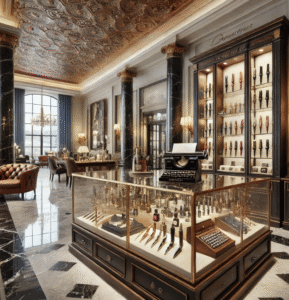
In today’s hyper-competitive hospitality landscape, hotels strive not only to offer a place to sleep, but to deliver unique, memorable experiences that resonate long after guests check out. One way to distinguish your property and deepen guest connection is by incorporating a fountain pen store right on your hotel premises. It might at first glance sound niche or even antiquated — but executed well, it offers brand differentiation, additional revenue, and an unforgettable touchpoint. Below, we explore why a hotel should consider such an offering, how it fits broader trends, and what it takes to make it succeed.

Imagine a guest arrives late in the evening, tired from travel, and reaches into their luggage to retrieve a pen—only to find it’s run dry or missing. Rather than unraveling, they stroll downstairs to your elegant lobby boutique, choose a fine fountain pen, and sign a postcard or journal entry before bed. That small act becomes a story they tell: “I bought a beautiful pen at the hotel.” That is the kind of emotional, tactile memory that elevates a stay from transactional to meaningful.

Hotels often house gift shops, boutiques, or pop-ups selling local products, fashion, or art. But adding a dedicated fountain pen store sends a message: that you care about the art of writing, craftsmanship, detail, and timeless luxury. This is not just retail; it’s storytelling, curation, and brand reinforcement.

In this article, I’ll lay out the case for why a fountain pen store belongs in a hotel, how it supports your guest experience and financials, and what practical considerations will make it work. Along the the way, we’ll touch on industry trends and hotel retail successes from sources like Hospitality Net, Hotel Dive, and Gensler’s discussion of hotels in retail environments.


The Strategic Value of In-Hotel Retail

Before diving into fountain pens specifically, it’s worth seeing how retail strategies in hotels are evolving. Hotels are no longer merely lodging; many are transforming into lifestyle hubs with curated retail spaces. Gensler, in a recent article, highlights that retail inside hotels “has evolved beyond the traditional souvenir shop or gift boutique” and is being used as a way to “enhance the guest experience while also drawing in the local community.” Gensler

Business Traveller recently reported that “hotel shops are the new concept stores—and travelers are obsessed,” noting that guests now expect boutique-level curation and uniqueness rather than generic gift store fare. Business Traveller Similarly, Forbes described how some of the world’s finest hotels are redefining luxury retail by integrating immersive, brand-driven stores beyond mere commoditization. Forbes

Thus, adding a fountain pen store can ride this wave: a specialized, high-end boutique that underscores your hotel’s identity rather than just another shop with tchotchkes.

Differentiation in a Crowded Market

In many markets, hotels compete heavily on amenities: spas, rooftop bars, concierge services, meal programs. But guests are increasingly seeking authentic experiences and stories they can bring home. A fountain pen store is one of the few amenities that can’t just be replicated by any hotel—it speaks to a niche of connoisseurs, writers, stationery lovers, and travelers who delight in fine details.

Brand Elevation & Storytelling

A fountain pen collection communicates values: you value craftsmanship, permanence, thoughtfulness, legacy. You invite guests to slow down, to write, to reflect. You reinforce an identity of quiet luxury, of artistry, of lasting memory rather than disposable impulse. That narrative becomes part of your hotel’s brand story.

Revenue Diversification

A well curated boutique does more than serve the guest—it can contribute meaningfully to non-room revenue. High-end pens and accessories carry margins well above typical souvenir items. Even if only a small fraction of guests buy, the per-unit value can be significant. Multiply that by repeat stays and local walk-ins, and you gain an incremental revenue stream.

Guest Retention & Loyalty

When a guest buys a pen from your in-hotel store, that pen becomes a physical reminder of their stay. Every time they use it, they remember your hotel. If the pen is branded or subtly marked, it becomes a little piece of loyalty reinforcement. Over time, that kind of emotional anchor aids return visits or word-of-mouth referral.


Why Fountain Pens Specifically

Why not jewelry, art, or perfumes? What is special about fountain pens?

Fountain Pens Are Experiential

Unlike a mass-market souvenir, a fountain pen is purposeful. It engages the user: filling ink, feeling the weight of the nib, writing over quality paper. It’s not disposable. It invites repeated use. That emotional connection is rare in retail today.

Appeals to a Growing Niche

The fountain pen community may be niche, but it’s active, passionate, and global. Collectors, journaling enthusiasts, calligraphers, business travelers, authors—all constitute a demographic that values provenance, quality, and heritage. This audience often seeks destinations where they can shop, try, compare. A hotel that hosts such a boutique becomes a destination in itself for stationery lovers.

Low Overhead for High Aesthetic Impact

Compared to jewelry, perfume, or large fashion stock, a fountain pen boutique can occupy modest square footage, yet deliver high visual impact. Display cases, lighting, test desks, ink stations—these require careful design but not massive real estate. The inventory is compact, and unit values tend to be high.

Very Few Direct Competitors

In almost no destination is there a full, well curated fountain pen boutique inside a hotel. That rarity becomes an advantage: you fill a gap in the guest experience. Guests don’t expect it, so when they find it, it feels novel and memorable.


Making It Work: Practical Considerations

A concept is only as good as its execution. Here are the key elements to get right:

Location & Layout

Your fountain pen boutique should ideally be located in or adjacent to the hotel’s public spaces—lobby, gallery, or boutique cluster. It should be visible, welcoming, and integrated, not hidden away. A glass façade, open entry, and inviting display counters help create curiosity.

Inside, allow for a writing station where guests can test pens and inks on premium paper. Include comfortable seating or a small table. Offer lighting that accentuates nibs and finishes. Keep the footprint modest (for example, 200–400 square feet), but make every inch count with elegant displays and minimalistic, elegant decor.

Product Selection & Curation

Curate a balanced inventory of entry-level, mid-tier, and premium fountain pens. Offer complementary items: inks (bottles and cartridges), notebooks, leather pen cases, cleaning kits, converter systems, and even pen repair or nib-adjustment services if possible. Bring in exclusive or boutique brands that guests cannot easily source locally. Partnering with limited editions or private-label offerings tied to the hotel’s locale can add uniqueness.

Staff Expertise & Guest Engagement

Staffing must be thoughtful. At least one specialist knowledgeable in fountain pen mechanics, ink properties, and nib characteristics is essential. They should guide guests in selecting pens suited to their hand, writing style, and preferences. Occasional events—pen clinics, ink tasting, handwriting workshops—both for guests and locals—foster community and drive foot traffic.

Branding & Integration

Your fountain pen boutique should feel like part of the hotel, not an afterthought. Use signage, packaging, and even room stationery to tie into the boutique. Offer welcome-back pen vouchers or loyalty discounts. Include photos of the boutique on your website and social media. You might even provide a complimentary branded fountain pen for high-tier guests or event clients.

Inventory & Cost Management

Because pens and accessories have high per-unit value, inventory turnover is important. Use tight inventory control, consignment options, and demand forecasting. Monitor which models sell vs. sit. Keep a small “test” stock and reserve higher inventory in a back room or regional fulfillment center. Consider online extensions: allow guests to reorder items from their stay via a hotel shop web portal.

Marketing & Events

Promote the fountain pen boutique as part of your guest experience package. Include it in welcome emails, room materials, concierge recommendations. Host pen-oriented events, open-house, or collaborations with nearby art shops, universities, or calligraphy groups. Offer guest workshops. Invite influencers in the stationery world. Cross-market with your hotel events (e.g., wedding packages, corporate retreats) by offering branded pen options for attendees.


Supporting Trends & Industry Context

To strengthen the rationale, here are some relevant hospitality industry trends and news:

  • Hotels are increasingly becoming retail-driven, mixed-use environments, where curated retail spaces are part of the guest journey. Gensler

  • The hotel boutique is becoming a premium experience, not just souvenir retail: travelers expect more curated, immersive shopping experiences in hotels. Business Traveller

  • According to Hospitality Net, hoteliers are actively looking for fresh methods to differentiate and deepen guest engagement. Hospitality Net

  • In the broader retail and luxury realm, hotels are partnering with brands and elevating in-house stores to rival destination shopping. Bloomberg+1

These trends confirm that a fountain pen boutique is not a gimmick but aligned with the direction in which luxury hospitality, retail convergence, and experience design are heading.


Potential Risks & Mitigation

No initiative is without risks. Here are some you should consider—and ways to mitigate them:

  • Low conversion: Many guests might browse but not buy. Mitigate by ensuring staff are well trained to engage genuinely without pressure, offering entry-level pieces, and tying boutique promos to concierge referrals.

  • Inventory obsolescence: Trends or ink demand can shift. Mitigate with lean inventory, rotating lines, consignment or vendor agreements, and periodic deep review of slow SKUs.

  • High start-up costs: The boutique requires fit-out, display cases, capital investment. Mitigate by phasing in, leasing displays, partnering with brands, and using modular setups.

  • Brand mismatch: A luxury boutique may not fit all hotels. Mitigate by tailoring scale and style: in a more modest hotel, run a micro-showcase rather than a full store; in a boutique or luxury property, go full scale.

  • Staff challenges: Recruiting and retaining staff with pen expertise may be hard. Mitigate by training internally, scheduling smaller hours of boutique operation, or partnering with local pen shops or brand reps.


Conclusion

In a hospitality world saturated by sameness, a hotel’s fountain pen store can become a genuine point of distinctiveness. It aligns with evolving trends in hotel retail, taps into a passionate niche audience, adds revenue, and offers guests a tactile, emotional memory of their visit. When well curated, branded, staffed, and marketed, such a boutique becomes less an ancillary retail outlet and more a storytelling focal point: a living symbol of craftsmanship, permanence, and quiet elegance.

So if you’re aiming to turn your hotel into more than just rooms, consider swapping a generic gift shop for one devoted to the art of fine writing. Let your guests take more than memories—they take something that travels with them, reminding them of your place each time they put pen to paper.

For further reading on current hospitality trends: check out Hotel Dive on consumer hotel trends, Hospitality Net for hotel industry insight, and the Wikipedia article on hotel retail models (or Wikipedia’s entry on retail within lodging intersections).

Categories
Hotel News

Why Hotels Need a Tree Expert Witness: Preventing Liability, Ensuring Safety, and Defending Reputation 🌳

Hotel News for Tree Expert Witness

When most people stay at a hotel, they think about clean rooms, good service, and maybe the view or landscaping. Rarely do guests—or even hotel operators—think about the hidden risks posed by trees on the or near the property. But trees, when neglected or mismanaged, can become serious liabilities. From falling limbs to root heave damaging foundations, a hotel’s surrounding greenery can be a source of hazards, legal exposure, and reputational risk. For that reason, in litigation or risk-management, a Tree Expert Witness (also called an arborist expert witness) often becomes indispensable for a hotel.

In this article, we’ll explore why a hotel might need a tree expert witness, what roles such an expert can play, and how including one early on can mitigate risk and strengthen legal defense or proactive claims strategy.


The Hidden Risks Hotels Face from Trees

Many hotels pride themselves on lush landscaping, tall shade trees, and scenic grounds. But these aesthetic assets come with ongoing maintenance and safety duties. Key risks include:

  1. Falling limbs or branches
    In 2021, a large tree branch collapsed at a hotel pool in Honolulu, injuring seven people, including serious head injuries. https://www.wymt.com+1
    A dramatic incident like that illustrates the potential for wrongful injury claims tied directly to tree hazards.

  2. Tree failure injuring workers or guests
    In San Diego, a tree trimmer working at a hotel was injured when the tree uprooted while he was tied into it, causing broken limbs and facial lacerations. Los Angeles Times
    Such accidents can lead not only to worker’s compensation claims, but third-party liability if guests or visitors are impacted.

  3. Root damage to foundations, sidewalks, or utility infrastructure
    Over time, roots may buckle paths or crack underground plumbing, creating trip hazards or structural liabilities. A guest who trips on a raised sidewalk may tie it back to “neglect” of tree roots near walkways.

  4. Storm, wind, or pest stress exacerbating tree hazards
    After storms, even seemingly healthy trees may suffer hidden internal damage (cracks, root destabilization, decay) that make them vulnerable to failure. A hotel must demonstrate that it performed proper inspections or pruning to mitigate risk.

  5. Regulatory or local government code compliance
    Municipalities often have tree preservation ordinances, setback rules, or requirements for hazard inspections. Failure to comply can lead to fines, order to remove trees, or stricter scrutiny after an incident.

Because of these threats, if a guest or third party is injured or property damaged, litigation can follow—and a hotel’s defense must grapple with the technical arboricultural aspects. That is where a tree expert witness becomes critical.


What a Tree Expert Witness Actually Does

A tree expert witness, typically a certified arborist or a professional specializing in tree risk assessment, can provide a range of services useful both before and during litigation. Here are key roles:

  • Pre-incident risk assessment
    Before any lawsuit arises, a hotel’s risk management team or insurer may commission a tree inspection. The expert identifies trees or limbs that pose unacceptable failure risk, recommends pruning or removal, and documents conditions in a defensible report.

  • Investigation and cause analysis
    After a tree-related incident or claim, the expert visits the site, collects data (soil, root plate, decay, crack patterns, species characteristics), examines weather history, and determines the proximate cause of failure (if any). They may also assess whether maintenance was reasonable or negligent.

  • Standard of care benchmarking
    A major task of the expert is to opine on what is the industry standard of care for managing trees in a hospitality or commercial context (frequency of inspection, pruning protocols, professional credentials). The expert can compare the hotel’s practices to accepted norms.

  • Opinion on negligence and causation
    In a case where someone is injured, the expert can offer testimony on whether the failure was foreseeable, whether the hotel should have known, and whether proper maintenance would have prevented the harm.

  • Rebuttal to opposing experts
    Often, the plaintiff’s attorney will hire their own arborist. The hotel’s expert can challenge flawed analysis, offer alternate theories, or question assumptions.

  • Risk modeling and future mitigation
    Post-incident, the expert may propose a plan to reduce future liability: tree replacement, more frequent inspections, signage, structural support, or species changes.

Courts generally admit expert testimony if the expert is qualified, uses reliable methodology, and bases opinions on sufficient facts. In tree-related litigation, method challenges often go to weight rather than admissibility, so a well-credentialed expert is important. Expert Witness Blog


Why Hotels, in Particular, Have Additional Reasons to Use One

Hotels face some unique pressures that make a tree expert especially relevant:

Guest safety expectations and liability

Hotel guests are classified as “invitees,” meaning the hotel owes a high duty of care to inspect, warn, or remedy hazards. A failing tree limb or root-heaved walkway can easily become a premises liability claim. Courts will want evidence that the hotel actively managed tree risks and did not merely rely on aesthetics.

Multiple stakeholders and insurance exposure

Hotels often have many insurance layers, liability carriers, and third-party contracts (franchise agreements, event agreements, municipality easements). The more complex the structure, the more technical scrutiny any claim will receive. A tree expert can interface with insurers early, help quantify risk, and assist in settlement negotiations.

Reputation and public relations

A tree failure causing injury reflects badly in the press. Hotels live and die by guest confidence and reviews. If a hotel can show they proactively retained expert arborist oversight—even before litigation—that narrative helps protect brand reputation.

Regulatory, environmental, and landscaping integration

Hotels often promote their landscaping as a selling point. They must balance preservation (especially in historic properties or urban areas) with safety. A tree expert can advise in the design, pruning, or replacement process and provide defensible documentation that the hotel respected preservation laws while mitigating risk.

Complexity of tree science

Tree failure is rarely obvious: hidden decay, root rot, internal cracks, fungal infestation, soil conditions, moisture stress, wind forces—all interact. Average hotel staff or general contractors lack that expertise. The technical subtleties require someone trained. Without a qualified expert, a hotel’s legal team might fumble technical detail under cross-examination.


When to Engage a Tree Expert Witness

Knowing when to bring in the expert is just as important as having one. Key timing includes:

  • During risk audits or annual inspections
    Proactive engagement means hazards are identified before any incident.

  • Immediately after a reported tree-related incident
    So evidence is preserved (broken pieces, root plate, soil moisture, site conditions) before remediation occurs.

  • Before responding to a claim
    An expert can review notice letters, identify weak factual bases, and help shape the hotel’s defense or settlement position.

  • Prior to major landscaping changes or tree removals
    So work is defensible and documented, and to reduce future exposure.

  • When there is a pending lawsuit or threat of litigation
    The expert’s testimony will likely be critical in summary-judgment motions or trial.

Delaying retention invites problems: lost evidence, memory fade, destruction by cleanup, or spoliation arguments.


Benefits and Strategic Advantages

Here’s what a hotel stands to gain by using a tree expert witness (beyond merely responding to litigation):

  • Stronger defense credibility
    In court, judges and juries expect technical experts on niche issues. An informed arborist can strengthen the defense’s posture.

  • Cost avoidance via early remediation
    Identifying and correcting a high-risk tree early is often far less expensive than defending a multimillion-dollar injury claim.

  • Better settlement negotiating position
    Well-documented expert opinions, with professional standards cited, strengthen negotiating leverage.

  • Insurance collaboration and premium control
    Insurers are more amenable to risk management when backed by professional audits and reports. Over time, the hotel may lower premiums.

  • Public perception reinforcement
    When a hotel can publicize that it hires professionals to inspect and maintain trees, it signals responsibility and care.


Caveats and Best Practices

While tree experts bring value, hotels must do several things right:

  • Choose a properly credentialed expert
    Certifications like ISA Certified Arborist, Tree Risk Assessment qualifications, experience in litigation, and familiarity with standards like ANSI A300 or ISA’s Best Management Practices are essential.

  • Ensure timely disclosure and admissibility
    In many jurisdictions, experts must be disclosed timely and reports properly structured. Failing to conform with expert disclosure rules may lead to exclusion.

  • Maintain clear documentation of inspections and maintenance
    A good expert can only do so much if the hotel lacks baseline records (pruning logs, prior inspection reports, photographs, contracts).

  • Limit scope and collaboration with legal team
    The expert’s analysis should remain objective. Legal team guidance should not push expert conclusions but coordinate scope and communication.

  • Manage spoliation and site preservation
    After an incident, avoid sudden removal of trees or debris without documentation, as that may lead to sanctions.


Case Example Illustrations

To underscore the practical significance:

  • In Waikiki, a large banyan tree branch fell near a hotel’s pool, injuring seven people, prompting investigations and liability exposure. https://www.wymt.com+1

  • In San Diego, a palm tree uprooted while maintenance was in progress, injuring a tree trimmer at a hotel site—underscoring that even professional work can go wrong. Los Angeles Times

  • On the risk assessment front, one hotel blog emphasized that beyond aesthetics, tree protection is “a crucial strategy that benefits hotel operations, branding, and environmental impact.” port-washington-inn.com

These real-world instances show both the dangers and the imperative for expert guidance.


Conclusion

Hotels cannot view their trees as mere landscaping props. In environments with guests, staff, and high foot-traffic, trees carry inherent risk. A tree expert witness isn’t just a reactive tool for lawsuits—it’s a proactive risk control, a technical authority, and a reputation protector. By retaining a qualified arborist to inspect, document, and opine on tree conditions, hotels bolster their legal posture, reduce exposure, and demonstrate that guest safety is a serious priority.

If you ever need help writing in more detail about how to select a tree expert, how to structure a report, or how to integrate one into hotel risk management, just let me know!

Categories
Main

Why a Hotel Would Need an IRS Offer in Compromise 🏨💰

Hotel News for IRS Offer in Compromise Running a hotel is no small feat. From managing reservations and guest satisfaction to maintaining facilities and staying competitive in a shifting hospitality market, hotel owners juggle countless responsibilities. Yet one of the most daunting challenges hotels often face doesn’t come from guest complaints or renovation costs—it comes from the IRS.

When tax debt mounts beyond what a hotel can realistically pay, the IRS Offer in Compromise (OIC) can be a lifeline. This program allows eligible businesses to settle tax liabilities for less than the full amount owed. For hotels navigating fluctuating revenue, unexpected expenses, or financial downturns, understanding and leveraging an OIC could mean the difference between survival and closure.

In this article, we’ll explore why a hotel might need an IRS Offer in Compromise, the circumstances that make it a smart move, and how it can help secure a healthier financial future.


The Unique Financial Pressures Hotels Face

Hotels operate in a volatile industry that is highly sensitive to outside influences. Factors such as seasonality, global events, or sudden downturns in tourism can slash revenues overnight. For example, during the pandemic, many hotels worldwide saw revenue plummet, leading to deferred tax payments and mounting debt.

Other pressures include:

  • High Fixed Costs: Payroll, utilities, insurance, and property maintenance are non-negotiable, regardless of occupancy rates.

  • Unexpected Expenses: Repairs, renovations, or compliance with new regulations can strain cash flow.

  • Debt from Expansion: Hotels often borrow heavily for expansions, remodels, or rebranding.

These issues, compounded with tax obligations, can trap hotel owners in a cycle of debt that feels insurmountable.


What is an IRS Offer in Compromise?

An IRS Offer in Compromise is a settlement agreement where the IRS accepts less than the full tax debt owed. It’s designed for businesses and individuals who genuinely cannot pay their full tax liability without causing severe financial hardship.

To qualify, hotels must demonstrate:

  • Inability to pay the full debt based on income, assets, and expenses.

  • A reasonable offer amount based on what the IRS considers collectible.

  • Compliance with all tax filings moving forward.

This isn’t a quick escape—it requires full disclosure and strict adherence to IRS rules. But for hotels in financial distress, it offers a structured, legitimate path forward.


Why Hotels May Need an OIC

Stabilizing Cash Flow

Hotels thrive on consistent cash flow. When significant portions of revenue are diverted to tax debt repayment, it can cripple operations. An OIC reduces the overall burden, freeing funds for payroll, vendor payments, and essential upgrades.

Protecting Jobs

Hotels are major employers, often supporting dozens or even hundreds of staff. Without relief, owners may resort to layoffs or reduced hours. An OIC can preserve jobs by redirecting funds back into operations instead of overwhelming tax payments.

Preventing Property Seizure

If unpaid tax debt escalates, the IRS can impose liens or levies on hotel property, bank accounts, or even seize assets. This not only threatens ownership but also damages reputation in the hospitality community. An OIC can halt aggressive collection efforts, safeguarding the property itself.

Weathering Industry Downturns

Tourism trends shift, and hotels are often the first to feel the impact. An OIC provides breathing room during lean times, ensuring the business doesn’t collapse under debt just because of external circumstances.

Enabling Growth and Investment

By reducing tax liabilities, hotels can reallocate resources toward guest experience improvements, marketing campaigns, or even expansions—steps that ultimately drive long-term profitability.


Real-World Example: A Hotel in Crisis

Imagine a 150-room boutique hotel that invested heavily in a renovation right before a sudden downturn in travel. Occupancy drops from 80% to 40%. Debt payments mount, tax bills go unpaid, and the IRS begins collection actions.

With an OIC, the hotel demonstrates that paying the full $750,000 in back taxes would bankrupt the business. After reviewing assets, income, and expenses, the IRS agrees to settle the debt for $200,000 paid over several years.

The hotel survives, retains staff, and eventually regains profitability once the tourism market recovers. Without the OIC, foreclosure or bankruptcy might have been the only options.


The Application Process

Applying for an OIC is not simple—it involves:

  • Filing Form 656 and disclosing detailed financial information.

  • Submitting a nonrefundable application fee and initial payment.

  • Remaining compliant with all future tax filings.

Many hotels seek professional tax advisors or attorneys experienced in hospitality finance to navigate the process. While approval isn’t guaranteed, preparation and accuracy can significantly improve the chances of acceptance.


Risks and Considerations

While powerful, an OIC is not without risk:

  • Rejection: The IRS rejects the majority of applications. Hotels must provide strong evidence of financial hardship.

  • Compliance Requirement: If the hotel fails to stay compliant after acceptance, the OIC can be revoked.

  • Public Record: Accepted OICs become part of public record, potentially impacting reputation.

Still, for many hotels, these risks are outweighed by the opportunity to regain financial stability.


Industry Insight and The Bigger Picture

Hotels aren’t alone in their financial struggles. Across the hospitality sector, tax issues remain a growing concern. According to Hotel News Resource, fluctuating demand and labor shortages continue to challenge profitability. Similarly, Hotel Management reports that debt refinancing has become a major topic for hotel owners seeking to stabilize operations. And as Hospitality Net notes, strategic financial management is now central to recovery efforts post-pandemic.

These sources underline one clear truth: hotels must be proactive about financial planning. The IRS Offer in Compromise is one tool among many, but when used wisely, it can prevent a financial spiral from becoming a permanent closure.


Conclusion: Why Hotels Shouldn’t Overlook the OIC 🌟

For hotel owners, tax debt can feel like a shadow that grows larger each year. The IRS Offer in Compromise provides a legitimate and potentially life-saving solution for businesses drowning in liabilities. By reducing debt, stabilizing cash flow, protecting assets, and preserving jobs, an OIC allows hotels to focus on what they do best: creating memorable guest experiences.

Hotels that find themselves buried in tax debt should consider whether an OIC is right for them. With the right guidance, it can be the turning point from financial distress to a sustainable, thriving future.

Because in hospitality, survival isn’t just about getting through the next season—it’s about securing a foundation for long-term success. And sometimes, the best way to do that is by negotiating a fair compromise with the IRS.

Categories
Hotel News

Why Every Hotel in Pinellas County Should Offer Senior Exercise Programs 😊

Hotel News for Senior Exercise Pinellas County

As the population in Florida continues to age, the demand for hospitality services that cater to older adults is growing. Pinellas County, with its beautiful beaches, warm climate, and proximity to major attractions, is a magnet for retirees and senior travelers. But to truly stand out—and to build stronger loyalty—hotels here should consider offering structured senior exercise programs as part of their guest amenities. Such programs do more than promote wellness—they position the hotel as thoughtful, inclusive, and forward-thinking. In this article, we’ll explore how a hotel in Pinellas County can design and deliver a high-impact senior exercise offering, the benefits it brings, and how it can integrate with the broader hospitality strategy.


The Case for Senior Exercise in a Hotel Setting

Offering senior exercise is not just an added perk—it aligns with evolving guest expectations and wellness trends. Many older travelers are not content to simply lounge by the pool; they seek meaningful, healthful experiences. Businesses in the hospitality sector are increasingly recognizing that health, wellness, and tailored programming build differentiation and guest loyalty.

Moreover, hotel and hospitality industry media often highlight trends where wellness is no longer optional. For example, platforms like Hotel Dive cover how hotels are integrating wellness into core offerings, merging spa, fitness, and guest programming under one umbrella. Hotel Dive Hotels that incorporate specialty fitness or wellness initiatives can enjoy positive guest reviews, better occupancy in off-peak times, and stronger reputational branding.

In Florida, hotel development is booming, and competition is fierce. As one Florida development aggregator notes, new properties constantly vie for fresh ideas to attract guests. Hotel News Resource In such a market, a hotel that offers quality senior exercise programming can stand apart.

But beyond marketing, the public health and social well-being dimensions are real: regular exercise helps reduce the risks of falls, supports cardiovascular health, improves mood, and sustains mobility in older adults. By giving guests the opportunity to stay active, a hotel enhances their stay and can meaningfully impact their quality of life.


Designing a Senior Exercise Program in Pinellas County

To succeed, the program must be safe, accessible, engaging, and well promoted. Below are key components and considerations.

1. Assess the Facility & Accessibility

Before launching classes, the hotel should audit its physical spaces. Fitness rooms, meeting rooms, or multipurpose spaces can often be adapted for low-impact exercise, yoga, or chair-based workouts. Floors should be non-slip, lighting adequate, and equipment padded or cushioned.

Accessibility is crucial. Senior guests might use walkers, canes, or have limited mobility. Ideally, the space is near an elevator or ground floor, with ramped or level entry. The hotel should also integrate mobility-friendly room layouts or corridors per best practices in senior travel accommodations. Northwest Prime Time

2. Hire Certified Instructors

The quality of an exercise program hinges on competent instruction. The hotel should seek fitness professionals certified in working with older adults—those who understand joint limitations, balance work, modified strength training, and safe progression. Instructors with background in physical therapy or geriatrics are a plus.

3. Offer a Tiered Program

Different seniors have different abilities, so the hotel should provide multiple levels:

  • Gentle / Chair-Based Movement: Seated exercises, light stretching, mobility drills.

  • Low-Impact Aerobics / Water Fitness: Using a pool (if available), or low-impact floor cardio.

  • Balance & Functional Training: Exercises with light resistance bands, core work, balance drills.

  • Stretch & Recovery / Yoga / Tai Chi: Focusing on flexibility, mindfulness, and slow, controlled motion.

Each class should last 30–45 minutes, with rest breaks built in.

4. Schedule Strategically

Peak times for exercise among seniors are often early morning or mid-afternoon—times when many hotels are quieter. Scheduling classes at 7:30–9:00 a.m. or 2:00–3:30 p.m. can draw participation without interfering with peak hotel operations. Also, offering the same class daily (or nearly so) gives flexibility to guests with varying travel schedules.

5. Provide Equipment & Support

Offer light equipment such as yoga mats, resistance bands, balance pads, and chairs. Ensure hand sanitizing is available. It may also help to have water stations accessible nearby. If the hotel has a pool, water dumbbells or aquatic gear can enhance water fitness classes.

6. Promote Widely

Visibility is vital. Promote the classes:

  • In the guest check-in packet or welcome folder

  • Via in-room TV or digital signage

  • On the hotel website and booking pages

  • Through local senior groups, traveling clubs, or medical offices

  • As part of package deals (“Wellness Stay,” “Active Senior Getaway”)

Encourage guests to join on arrival by showcasing a sample session or video.

7. Track Participation & Feedback

Monitor how many guests attend, which classes are popular, and collect feedback. This helps refine scheduling, instructor choices, and program content over time.


Benefits to the Hotel

Implementing senior exercise programs offers advantages at multiple levels—from guest satisfaction to bottom-line impact.

Enhanced Guest Experience & Loyalty
When older guests see that their needs are anticipated—not an afterthought—they’re more likely to return and recommend the property. Such tailored amenities foster emotional connection, which drives repeat stays.

Differentiation in a Crowded Market
In a tourism-rich region like Pinellas County, hotels compete intensely. A strong wellness-oriented program, especially one focused on seniors, can attract a niche yet loyal market. This aligns with broader hospitality trends showing that wellness is a growing pillar of hotel branding (covered by industry news outlets such as Hotel Dive). Hotel Dive

Revenue Opportunities
While many classes may be complimentary, premium or specialty sessions (e.g. private personal training, aquatic therapy, or small group strength sessions) can be offered for a fee. The program may also encourage longer stays or off-peak occupancy as wellness-focused travelers book more evenings to enjoy classes.

Cross-Selling & Ancillary Services
Guests attending classes may purchase spa packages, healthy meals, or wellness products. The hotel restaurant might offer light, senior-friendly menus (lower sodium, easy to chew) adjacent to the program. Partnerships with local wellness providers or physiotherapists may be arranged.

Public Relations & Community Connection
A hotel offering senior exercise sends a strong message about corporate responsibility and community health. This can generate positive press coverage, and even partnerships with local senior agencies, fitness advisory boards, or health nonprofits.


Overcoming Challenges & Best Practices

No initiative is without hurdles. Here are common challenges and strategies to address them.

Liability & Safety
Exercise always carries some risk. The hotel should require a simple health waiver and encourage guests to self-declare any medical limitations. Instructors must be trained to modify exercises and monitor participants. Adequate staffing and first-aid readiness are essential.

Variable Participation
On some days attendance may be low. To counter this, the hotel could offer open “demo” sessions, or invite local senior groups (on a day pass basis) to boost numbers. Also, promoting in advance helps. Over time, classes can be adjusted (frequency, times, styles) based on demand.

Costs & Staffing
Hiring instructors and stocking equipment has upfront cost. To control budget, begin with a few core classes and expand as demand grows. Use multipurpose spaces rather than dedicating a room solely for fitness. Consider sharing instructors across several properties or contracting with local senior fitness businesses.

Guest Awareness
It’s not enough to offer programs invisibly. Hotels must market the classes proactively—via email promos, signage, concierge recommendations, and local outreach to senior centers.


Real-World Examples & Industry Validation

In recent years, some hotels have adopted “silver service” offerings aimed at older guests—discounts, mobility support, wellness protocols, and curative fitness amenities. The Economic Times Meanwhile, thought leaders note that the senior living sector and hospitality are converging, and that branded hospitality approaches to senior services (including fitness and wellness) are underexplored growth segments. RLA Global

As the hotel conversion to senior living gains attention, many properties emphasize wellness, social engagement, and structured activity programming. Erdman While full conversion is not necessary for a standard hotel, the orientation toward active aging is increasingly part of hospitality’s “future of wellness.”


Conclusion

Hotels in Pinellas County that incorporate senior exercise into their amenities will gain more than a nice add-on—they will position themselves as leaders in inclusive wellness, attract a loyal demographic, and enhance their brand reputation. By planning thoughtfully (spaces, instructors, class types, promotion), managing safety, and iterating based on participation and feedback, a hotel can make senior exercise Pinellas County a sustainable, signature offering. In doing so, it doesn’t just serve guests—it invests in their health, their satisfaction, and a deeper connection that turns a one-time stay into a returning visit 😃.

Categories
Hotel News

Why Every Hotel Needs IT Support for Business 🏨💻

Hotel News for IT Support for Business

The hospitality industry is built on creating unforgettable guest experiences. From the moment travelers book their stay to the time they check out, every detail matters. Today, much of that experience is powered by technology—reservation systems, digital check-ins, online payments, Wi-Fi networks, security cameras, and even smart room controls. For hotels to keep operations smooth, secure, and guest-focused, reliable IT support for business is not just a luxury—it’s a necessity.

The Digital Transformation of Hotels

Hotels have rapidly evolved into tech-driven hubs. Guests no longer just expect a clean bed and friendly service—they expect fast Wi-Fi, seamless booking systems, mobile-friendly services, and digital security for their personal data. According to Hotel News Resource, technology investments are among the top priorities for hoteliers worldwide. Without strong IT support, hotels risk falling behind in this competitive digital landscape.

Enhancing Guest Experience with Seamless Technology

Guests want convenience at their fingertips. They expect to book online with ease, access their rooms with digital keys, and connect to high-speed internet without hiccups. Any technical glitch—whether it’s a crashed booking system or slow Wi-Fi—can harm a hotel’s reputation. IT support ensures:

  • Reliable Wi-Fi throughout the property

  • User-friendly digital check-in/check-out systems

  • Smooth integration of mobile apps for guest services

  • Quick resolution of technical issues

By investing in IT support, hotels provide the flawless service guests now demand, boosting satisfaction and repeat bookings.

Protecting Sensitive Guest Data

Hotels handle enormous amounts of sensitive information, from credit card details to passport numbers. Cybersecurity threats are on the rise, and hospitality businesses are frequent targets. A report from Hospitality Net highlights that data breaches in hotels can cause significant financial losses and long-term brand damage.

Strong IT support protects hotels by:

  • Implementing firewalls and encryption

  • Regularly updating security protocols

  • Monitoring networks for unusual activity

  • Training staff on data safety practices

By safeguarding guest data, hotels not only meet compliance regulations but also build trust and loyalty.

Streamlining Hotel Operations

Behind the scenes, hotel staff rely on countless systems to keep operations running—property management systems, inventory tracking, point-of-sale (POS) systems in restaurants, and scheduling software for staff. Without IT support, downtime in these systems can lead to chaos.

IT support helps hotels streamline operations by:

  • Maintaining 24/7 uptime of critical systems

  • Providing cloud-based solutions for efficiency

  • Automating routine tasks like inventory and payroll

  • Ensuring backups in case of system failures

This keeps everything running like clockwork, allowing staff to focus on guests rather than technical headaches.

Supporting Smart Technology Integration

Smart technology has entered the hotel space in full force. Guests can now adjust room lighting with their phones, request services through AI-powered chatbots, or stream their favorite shows via in-room smart TVs. According to Hotel Management, hotels are increasingly adopting smart tech to stand out in the marketplace.

With proper IT support, hotels can:

  • Integrate IoT (Internet of Things) devices securely

  • Manage smart energy systems to reduce costs

  • Ensure compatibility between guest apps and hotel infrastructure

  • Troubleshoot new technologies quickly

Without expert IT oversight, these high-tech amenities can malfunction, frustrating guests instead of impressing them.

Keeping Hotels Competitive in a Digital Market

Travelers often choose hotels based on online reviews, booking platforms, and how “tech-friendly” a property feels. If a competitor offers smoother digital services, guests may switch. Having a strong IT support team ensures hotels remain competitive by staying ahead of industry tech trends.

IT support enables hotels to:

  • Stay current with the latest hospitality software

  • Manage integrations with online booking platforms like Expedia or Booking.com

  • Analyze guest data to improve marketing strategies

  • Keep digital experiences modern and attractive

Hotels that embrace IT solutions position themselves as forward-thinking and guest-centered—key advantages in a crowded marketplace.

Preparing for the Unexpected

Whether it’s a system crash during peak check-in hours, a cyberattack, or even a power outage, hotels must be prepared for unexpected tech disruptions. IT support provides emergency response and contingency planning, ensuring that business continuity is never compromised.

This preparation includes:

  • Disaster recovery solutions

  • Cloud-based backups

  • 24/7 technical support

  • Rapid problem-solving during crises

Being ready for the unexpected reassures both staff and guests that the hotel can handle challenges professionally.

Conclusion: IT Support is the Backbone of Modern Hospitality

In today’s digital-first hospitality world, IT Support for Business is not just about fixing computers—it’s about powering the entire guest experience, protecting sensitive data, streamlining operations, integrating smart technology, and keeping hotels competitive. A hotel without proper IT support risks damaging its reputation, losing guests, and exposing itself to costly risks.

By investing in IT support for business, hotels ensure they deliver world-class service while future-proofing their operations. From seamless check-ins to secure data handling, IT support has become the backbone of modern hospitality—and the key to keeping guests happy and loyal. 🌟