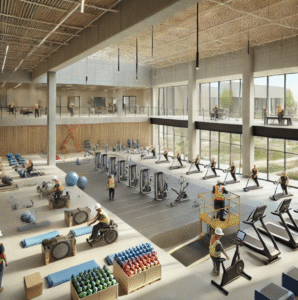
As the population in Florida continues to age, the demand for hospitality services that cater to older adults is growing. Pinellas County, with its beautiful beaches, warm climate, and proximity to major attractions, is a magnet for retirees and senior travelers. But to truly stand out—and to build stronger loyalty—hotels here should consider offering structured senior exercise programs as part of their guest amenities. Such programs do more than promote wellness—they position the hotel as thoughtful, inclusive, and forward-thinking. In this article, we’ll explore how a hotel in Pinellas County can design and deliver a high-impact senior exercise offering, the benefits it brings, and how it can integrate with the broader hospitality strategy.
The Case for Senior Exercise in a Hotel Setting
Offering senior exercise is not just an added perk—it aligns with evolving guest expectations and wellness trends. Many older travelers are not content to simply lounge by the pool; they seek meaningful, healthful experiences. Businesses in the hospitality sector are increasingly recognizing that health, wellness, and tailored programming build differentiation and guest loyalty.
Moreover, hotel and hospitality industry media often highlight trends where wellness is no longer optional. For example, platforms like Hotel Dive cover how hotels are integrating wellness into core offerings, merging spa, fitness, and guest programming under one umbrella. Hotel Dive Hotels that incorporate specialty fitness or wellness initiatives can enjoy positive guest reviews, better occupancy in off-peak times, and stronger reputational branding.
In Florida, hotel development is booming, and competition is fierce. As one Florida development aggregator notes, new properties constantly vie for fresh ideas to attract guests. Hotel News Resource In such a market, a hotel that offers quality senior exercise programming can stand apart.
But beyond marketing, the public health and social well-being dimensions are real: regular exercise helps reduce the risks of falls, supports cardiovascular health, improves mood, and sustains mobility in older adults. By giving guests the opportunity to stay active, a hotel enhances their stay and can meaningfully impact their quality of life.
Designing a Senior Exercise Program in Pinellas County
To succeed, the program must be safe, accessible, engaging, and well promoted. Below are key components and considerations.
1. Assess the Facility & Accessibility
Before launching classes, the hotel should audit its physical spaces. Fitness rooms, meeting rooms, or multipurpose spaces can often be adapted for low-impact exercise, yoga, or chair-based workouts. Floors should be non-slip, lighting adequate, and equipment padded or cushioned.
Accessibility is crucial. Senior guests might use walkers, canes, or have limited mobility. Ideally, the space is near an elevator or ground floor, with ramped or level entry. The hotel should also integrate mobility-friendly room layouts or corridors per best practices in senior travel accommodations. Northwest Prime Time
2. Hire Certified Instructors
The quality of an exercise program hinges on competent instruction. The hotel should seek fitness professionals certified in working with older adults—those who understand joint limitations, balance work, modified strength training, and safe progression. Instructors with background in physical therapy or geriatrics are a plus.
3. Offer a Tiered Program
Different seniors have different abilities, so the hotel should provide multiple levels:
-
Gentle / Chair-Based Movement: Seated exercises, light stretching, mobility drills.
-
Low-Impact Aerobics / Water Fitness: Using a pool (if available), or low-impact floor cardio.
-
Balance & Functional Training: Exercises with light resistance bands, core work, balance drills.
-
Stretch & Recovery / Yoga / Tai Chi: Focusing on flexibility, mindfulness, and slow, controlled motion.
Each class should last 30–45 minutes, with rest breaks built in.
4. Schedule Strategically
Peak times for exercise among seniors are often early morning or mid-afternoon—times when many hotels are quieter. Scheduling classes at 7:30–9:00 a.m. or 2:00–3:30 p.m. can draw participation without interfering with peak hotel operations. Also, offering the same class daily (or nearly so) gives flexibility to guests with varying travel schedules.
5. Provide Equipment & Support
Offer light equipment such as yoga mats, resistance bands, balance pads, and chairs. Ensure hand sanitizing is available. It may also help to have water stations accessible nearby. If the hotel has a pool, water dumbbells or aquatic gear can enhance water fitness classes.
6. Promote Widely
Visibility is vital. Promote the classes:
-
In the guest check-in packet or welcome folder
-
Via in-room TV or digital signage
-
On the hotel website and booking pages
-
Through local senior groups, traveling clubs, or medical offices
-
As part of package deals (“Wellness Stay,” “Active Senior Getaway”)
Encourage guests to join on arrival by showcasing a sample session or video.
7. Track Participation & Feedback
Monitor how many guests attend, which classes are popular, and collect feedback. This helps refine scheduling, instructor choices, and program content over time.
Benefits to the Hotel
Implementing senior exercise programs offers advantages at multiple levels—from guest satisfaction to bottom-line impact.
Enhanced Guest Experience & Loyalty
When older guests see that their needs are anticipated—not an afterthought—they’re more likely to return and recommend the property. Such tailored amenities foster emotional connection, which drives repeat stays.
Differentiation in a Crowded Market
In a tourism-rich region like Pinellas County, hotels compete intensely. A strong wellness-oriented program, especially one focused on seniors, can attract a niche yet loyal market. This aligns with broader hospitality trends showing that wellness is a growing pillar of hotel branding (covered by industry news outlets such as Hotel Dive). Hotel Dive
Revenue Opportunities
While many classes may be complimentary, premium or specialty sessions (e.g. private personal training, aquatic therapy, or small group strength sessions) can be offered for a fee. The program may also encourage longer stays or off-peak occupancy as wellness-focused travelers book more evenings to enjoy classes.
Cross-Selling & Ancillary Services
Guests attending classes may purchase spa packages, healthy meals, or wellness products. The hotel restaurant might offer light, senior-friendly menus (lower sodium, easy to chew) adjacent to the program. Partnerships with local wellness providers or physiotherapists may be arranged.
Public Relations & Community Connection
A hotel offering senior exercise sends a strong message about corporate responsibility and community health. This can generate positive press coverage, and even partnerships with local senior agencies, fitness advisory boards, or health nonprofits.
Overcoming Challenges & Best Practices
No initiative is without hurdles. Here are common challenges and strategies to address them.
Liability & Safety
Exercise always carries some risk. The hotel should require a simple health waiver and encourage guests to self-declare any medical limitations. Instructors must be trained to modify exercises and monitor participants. Adequate staffing and first-aid readiness are essential.
Variable Participation
On some days attendance may be low. To counter this, the hotel could offer open “demo” sessions, or invite local senior groups (on a day pass basis) to boost numbers. Also, promoting in advance helps. Over time, classes can be adjusted (frequency, times, styles) based on demand.
Costs & Staffing
Hiring instructors and stocking equipment has upfront cost. To control budget, begin with a few core classes and expand as demand grows. Use multipurpose spaces rather than dedicating a room solely for fitness. Consider sharing instructors across several properties or contracting with local senior fitness businesses.
Guest Awareness
It’s not enough to offer programs invisibly. Hotels must market the classes proactively—via email promos, signage, concierge recommendations, and local outreach to senior centers.
Real-World Examples & Industry Validation
In recent years, some hotels have adopted “silver service” offerings aimed at older guests—discounts, mobility support, wellness protocols, and curative fitness amenities. The Economic Times Meanwhile, thought leaders note that the senior living sector and hospitality are converging, and that branded hospitality approaches to senior services (including fitness and wellness) are underexplored growth segments. RLA Global
As the hotel conversion to senior living gains attention, many properties emphasize wellness, social engagement, and structured activity programming. Erdman While full conversion is not necessary for a standard hotel, the orientation toward active aging is increasingly part of hospitality’s “future of wellness.”
Conclusion
Hotels in Pinellas County that incorporate senior exercise into their amenities will gain more than a nice add-on—they will position themselves as leaders in inclusive wellness, attract a loyal demographic, and enhance their brand reputation. By planning thoughtfully (spaces, instructors, class types, promotion), managing safety, and iterating based on participation and feedback, a hotel can make senior exercise Pinellas County a sustainable, signature offering. In doing so, it doesn’t just serve guests—it invests in their health, their satisfaction, and a deeper connection that turns a one-time stay into a returning visit 😃.