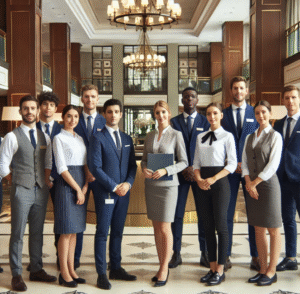
The hospitality industry is built on service, precision, and human connection. At the heart of every five-star guest experience are hotel employees—receptionists, housekeepers, concierge staff, food and beverage teams, operations managers, and general managers—working behind the scenes to keep everything running smoothly. Yet, despite their critical roles, many hotel professionals are not given the personal development resources they need to excel, lead, and grow within their organizations.
Enter executive coaching—a powerful, often underutilized tool that can transform not only leadership and performance but also morale, communication, and retention across all levels of hotel staff. Executive coaching isn’t just for CEOs and high-level leaders; it’s a vital investment in every hotel employee, especially those working in demanding, customer-facing roles.
In this article, we’ll explore why executive coaching is essential for hotel employees, how it impacts operations and guest satisfaction, and how forward-thinking hotels can build a culture of leadership that drives measurable success. 🏨✨
1. The Unique Pressure of the Hotel Industry
Hotel employees face immense pressure. From 24/7 operations and constant guest demands to seasonal staffing fluctuations and strict brand standards, hotel work is both emotionally and physically taxing.
Key challenges hotel staff face include:
-
High emotional labor: Constantly regulating emotions to deliver a polished guest experience
-
Fast-paced environment: Juggling multiple roles and responsibilities under time constraints
-
Conflict resolution: Handling guest complaints, staff disagreements, or unexpected crises
-
Leadership bottlenecks: Limited upward mobility or unclear career paths in many hotel chains
-
Burnout: Long hours, night shifts, and high turnover can lead to chronic stress
Without the proper emotional intelligence, conflict management tools, and leadership development support, hotel staff can burn out or disengage. Executive coaching addresses these challenges head-on with customized support that builds confidence, capability, and resilience.
2. What Is Executive Coaching? (And Why It’s Not Just for Executives)
Executive coaching is a structured, goal-oriented process led by a trained coach who partners with professionals to develop self-awareness, improve communication, and reach strategic goals. It’s often used by corporate leaders, but its principles apply at all levels—especially in hotels, where emotional intelligence and interpersonal skills are paramount.
According to the International Coaching Federation, executive coaching improves individual performance by up to 70%, including better work performance, communication skills, and enhanced self-confidence.
In the hotel context, coaching can help staff:
-
Navigate difficult conversations with grace
-
Provide service recovery in high-pressure guest interactions
-
Transition into leadership roles with clarity
-
Build teamwork and interdepartmental collaboration
-
Develop long-term career strategies within the hospitality industry
It’s not about telling employees what to do—it’s about unlocking their ability to think, act, and lead with intention. 🔑
3. Enhancing Guest Satisfaction Through Empowered Staff
Guest satisfaction is the currency of hotel success. One poor interaction can cascade into negative reviews, brand damage, or lost repeat business. But one positive, empowered employee can create a moment of magic that guests never forget.
When hotel employees are coached to lead themselves with confidence and purpose, the impact on guest experience is immediate:
-
More initiative: Coached employees are more likely to go above and beyond without being asked
-
Improved communication: Misunderstandings between staff and guests are minimized
-
Greater presence: Employees show up more energized, focused, and attentive
-
Consistency under pressure: Staff are trained to respond to stress without losing composure
According to Gallup, companies that invest in employee engagement see 21% higher profitability and 10% higher customer loyalty—both of which are directly tied to coaching outcomes.
4. Leadership Development at Every Level
Executive coaching isn’t only about solving today’s problems—it’s about preparing employees for tomorrow’s opportunities.
In many hotels, talented employees stagnate due to lack of training or support. Coaching helps identify and cultivate leadership potential early, ensuring a pipeline of future managers who already embody the brand’s values and culture.
Benefits of internal leadership development include:
-
Lower recruitment and onboarding costs
-
Reduced turnover through career satisfaction
-
Stronger internal promotions over outside hires
-
Greater innovation and problem-solving from within
Through coaching, hotels can develop transformational leaders—not just task managers. These individuals can motivate teams, foster psychological safety, and uphold world-class standards in operations and service. 🌍
5. Emotional Intelligence in Hospitality
Emotional intelligence (EQ) is the foundation of all successful service interactions. It includes self-awareness, empathy, regulation, motivation, and relationship management—all essential for hotel employees.
Executive coaching focuses deeply on developing EQ. By learning how to:
-
Identify emotional triggers
-
De-escalate high-stress situations
-
Manage personal energy levels
-
Read social cues accurately
-
Adapt communication to various personalities
Employees become emotionally agile. This matters not just for guest interactions but for team cohesion, which is critical in a hotel setting where departments must collaborate in real time to meet guest needs.
As Harvard Business Review states, emotionally intelligent leaders foster better engagement, performance, and team morale. Coaching accelerates EQ development far more effectively than traditional training alone.
6. Reducing Turnover and Boosting Retention
The hospitality industry has one of the highest turnover rates across all sectors. The U.S. Bureau of Labor Statistics reported turnover in accommodation and food services as high as 70% in some years.
The cost of replacing a single front-line employee can be over $5,000, not counting lost productivity or guest dissatisfaction. For management-level roles, it can reach tens of thousands.
Executive coaching is a proactive way to reverse this trend. When employees feel seen, heard, and invested in, they’re more likely to stay and grow.
Coaching increases:
-
Job satisfaction
-
Role clarity
-
Personal accountability
-
Sense of purpose
When employees know that leadership is investing in their future—not just expecting results—they become brand ambassadors and long-term assets. ❤️
7. Strengthening Hotel Culture and Team Dynamics
Great hotels run on great cultures. But cultures aren’t built through handbooks and mission statements—they’re created through daily behaviors, mindsets, and communication patterns.
Executive coaching helps hotel staff:
-
Break down silos between departments
-
Build trust and collaboration
-
Align daily actions with long-term vision
-
Increase accountability without micromanagement
-
Navigate change and uncertainty as a united team
A coaching culture doesn’t mean every employee needs a personal coach. It means that the tools and frameworks of coaching—listening, feedback, goal-setting, reflection—become part of the organizational DNA.
This leads to agile, adaptive hotel teams that thrive in an ever-evolving industry. 🧭
8. Supporting Diversity, Equity, and Inclusion (DEI)
Hotels are some of the most diverse workplaces in the world. With employees of different backgrounds, nationalities, and languages, DEI initiatives must go beyond compliance—they must be lived daily.
Executive coaching is uniquely positioned to support DEI goals. Coaches help employees:
-
Understand unconscious bias
-
Build cultural humility and cross-cultural communication skills
-
Create psychologically safe spaces for everyone
-
Advocate for equity in hiring, promotion, and team dynamics
Hotels that integrate DEI into their coaching initiatives create more inclusive environments, which leads to greater innovation, loyalty, and guest satisfaction. 🌐
9. Preparing for the Future of Hospitality
The hospitality industry is being reshaped by:
-
AI and automation
-
Contactless check-in technology
-
Changing guest expectations
-
Sustainability initiatives
-
Post-pandemic health and safety protocols
In this landscape, technical training alone won’t suffice. Hotel employees need adaptive leadership skills, emotional resilience, and strategic thinking—all hallmarks of a strong coaching program.
Coaching future-proofs the workforce by developing leaders who can pivot, innovate, and rise above disruption.
As Forbes notes, coaching is not a luxury—it’s a strategic necessity in a world of constant change.
Conclusion: Coaching Is the Competitive Advantage Hotels Can’t Ignore 🏆
The hospitality industry is about people—welcoming them, serving them, and creating unforgettable moments. But to take care of guests, hotels must first take care of their employees.
Executive coaching provides hotel employees with the tools to lead themselves and others, rise through the ranks, and create exceptional guest experiences that build loyalty and drive profit. It fuels purpose, retention, resilience, and innovation.
Whether you manage a boutique hotel, a national brand, or a luxury resort, investing in executive coaching is more than a feel-good initiative—it’s a bold step toward long-term success, excellence, and a workplace culture that thrives from the inside out.
The best guest experience begins with the best employee experience. Coaching unlocks both. 🔓
Resources for Further Reading: